
KLANGFELD 2024 / 2025
Process Notes – Part I
In September 2024 we started with just one minute of listening, from the free recourse Minute of Listening. We started with a low drone that vibrated through our bodies from toes to head, and we put our ears to the trunk of a tree. Trees make sound too? Yes, and also it was also the source of the fine Japanese paper we used as an instrument.
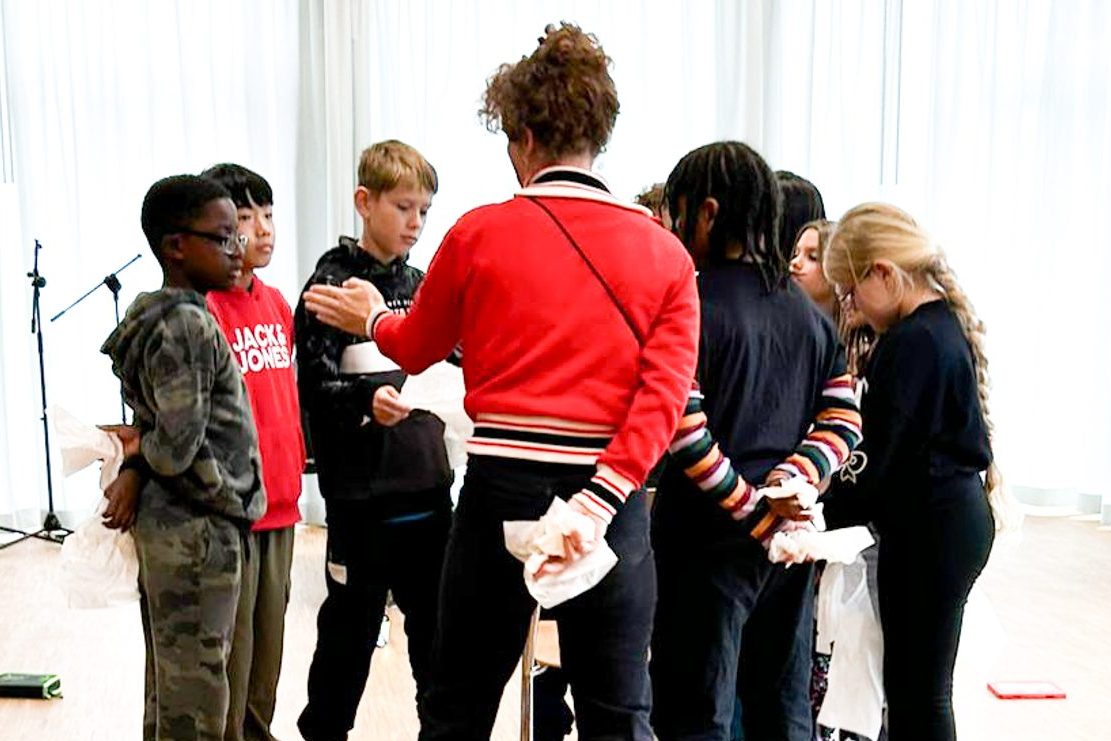
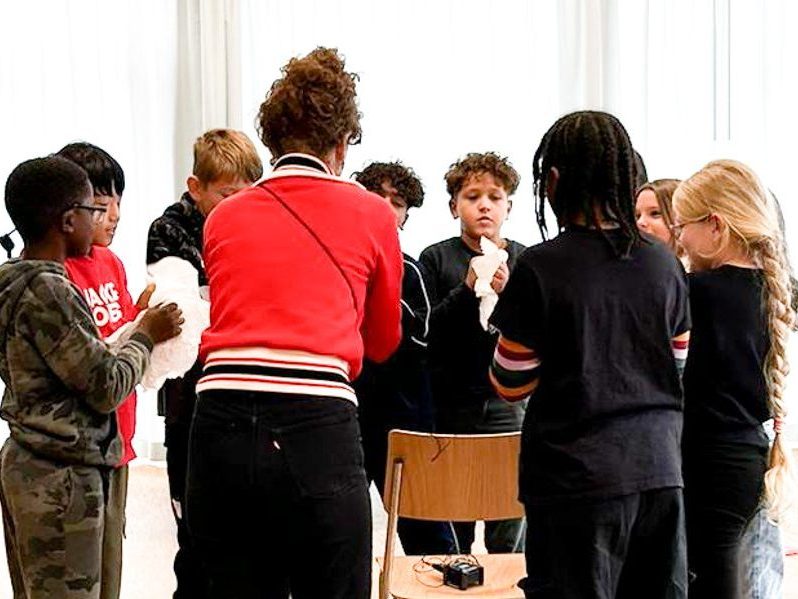
What are the materials used in and around our school? We experimented with surface transducers, a device that converts electrical signals into vibrations, and soon discovered that the letterbox, the lift, cardboard boxes and the rubbish bin were among the best resonators.
We also looked for electromagnetic signals and amplified them in the classrooms. One teacher found it just too loud and decided to put on her pamir and let the pupils play – how lucky we are to work with such humorous individuals.
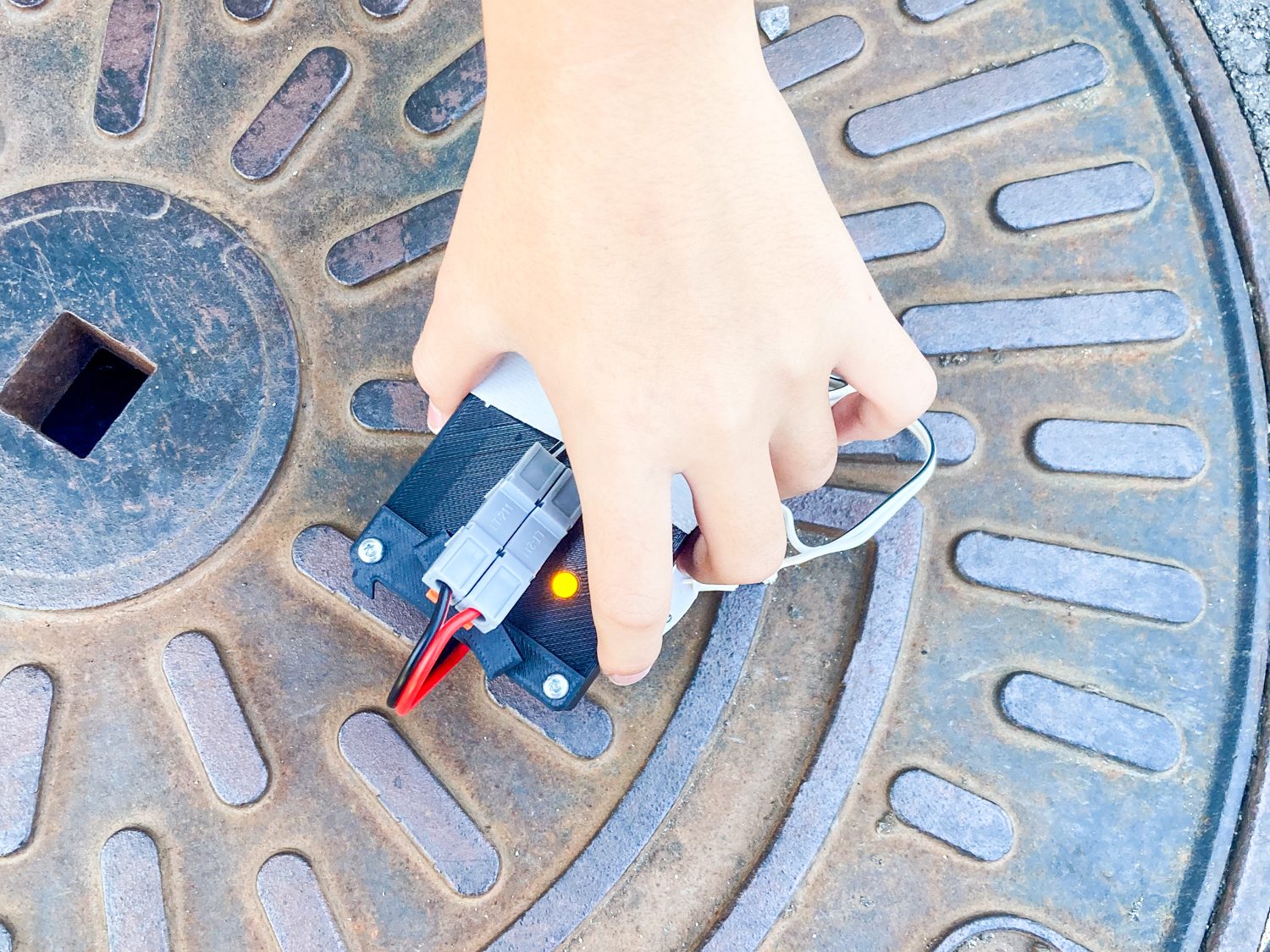
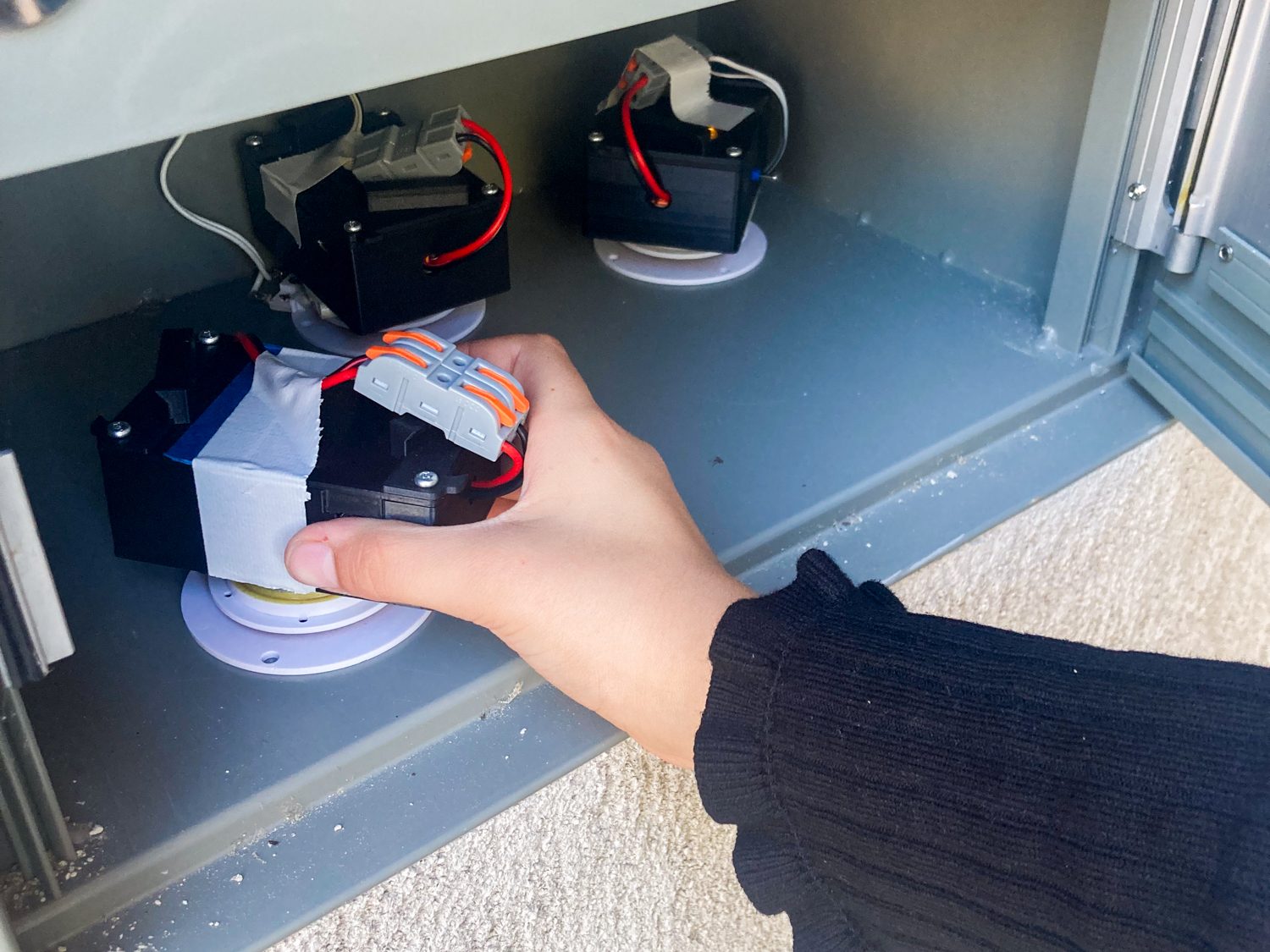
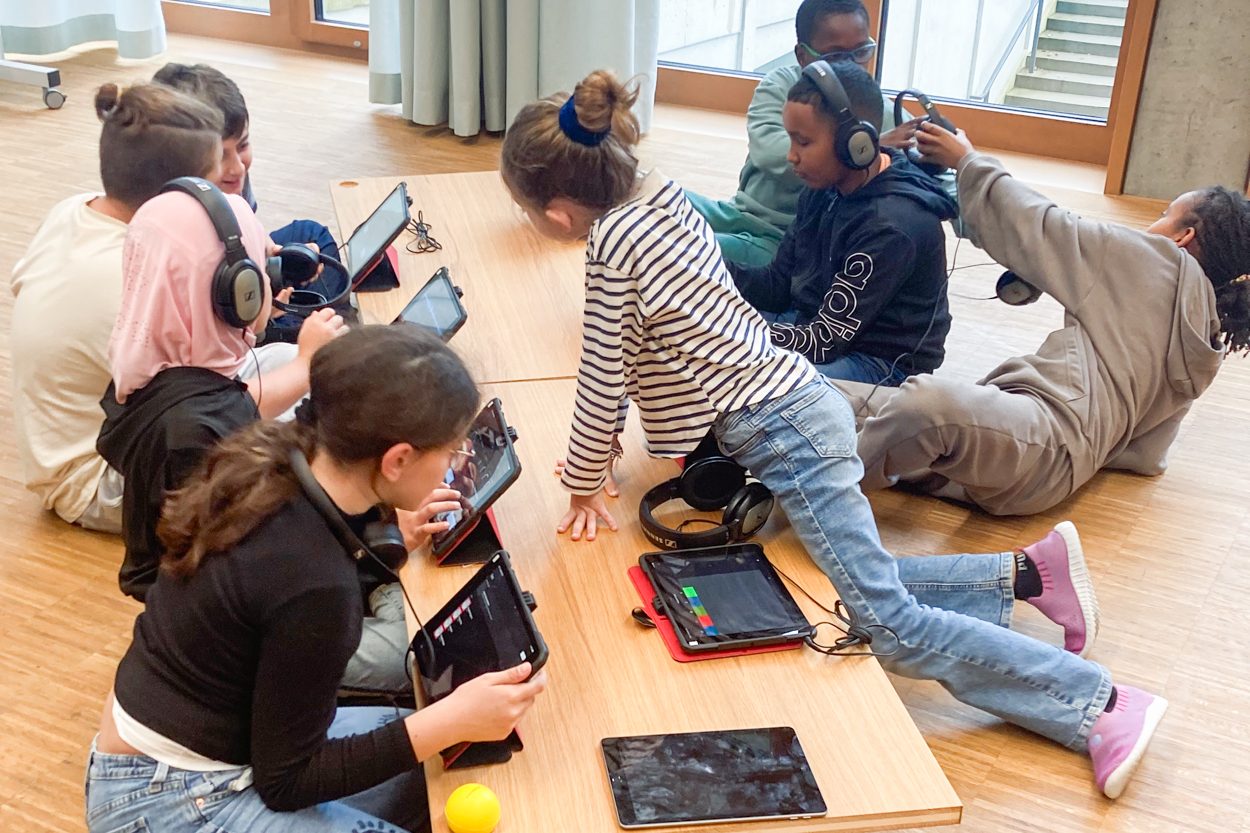
Can we record outside again? The children insisted, so half of them recorded sounds outside, looking for a surprise: Find a tone, a sound, a noise in the schoolyard that you have never heard before. The other half played around with Ableton Note. I didn’t expect them to just know how to use it without too much explanation – just try and error and we soon had very distinct layers of sound and a lot of fun.
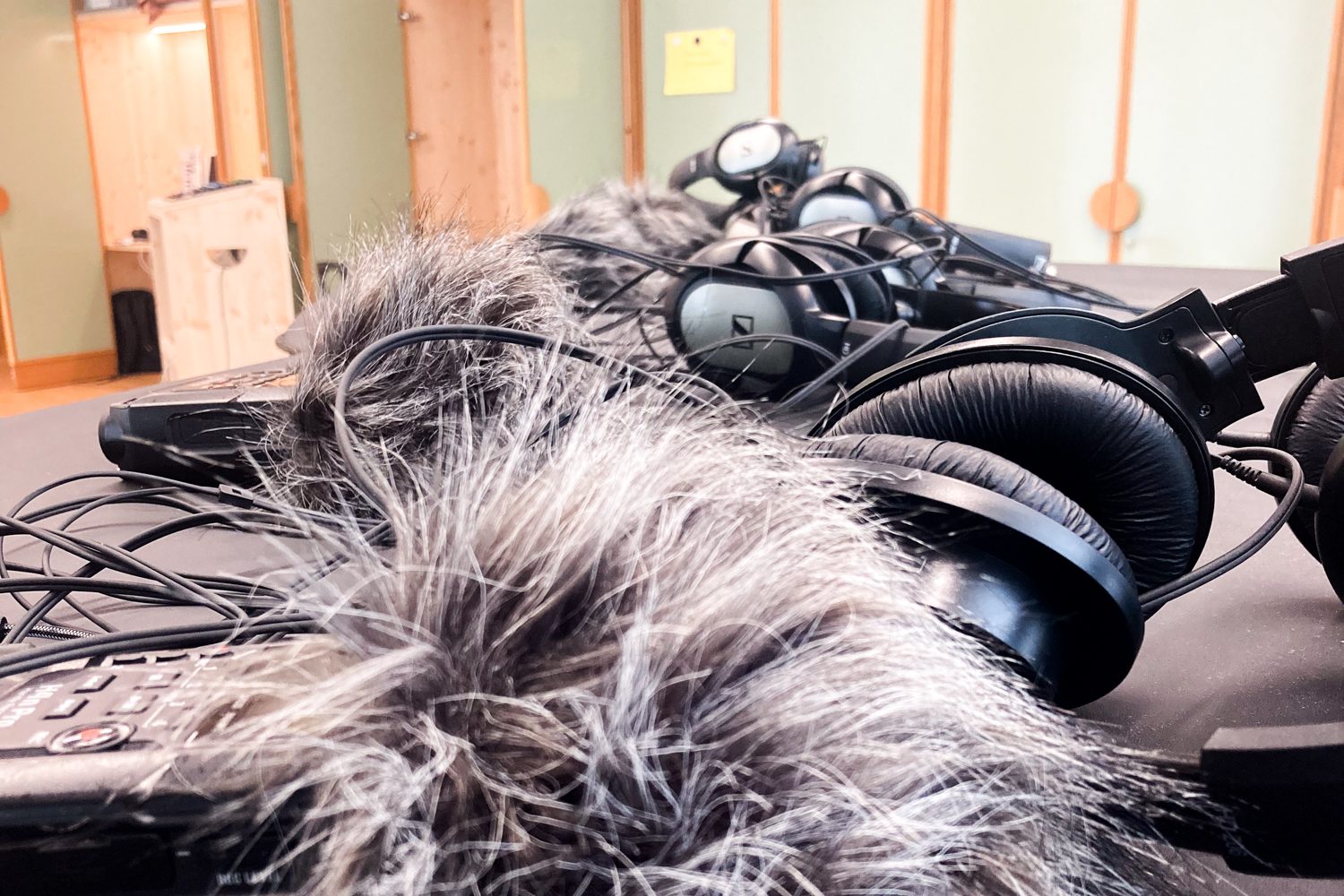
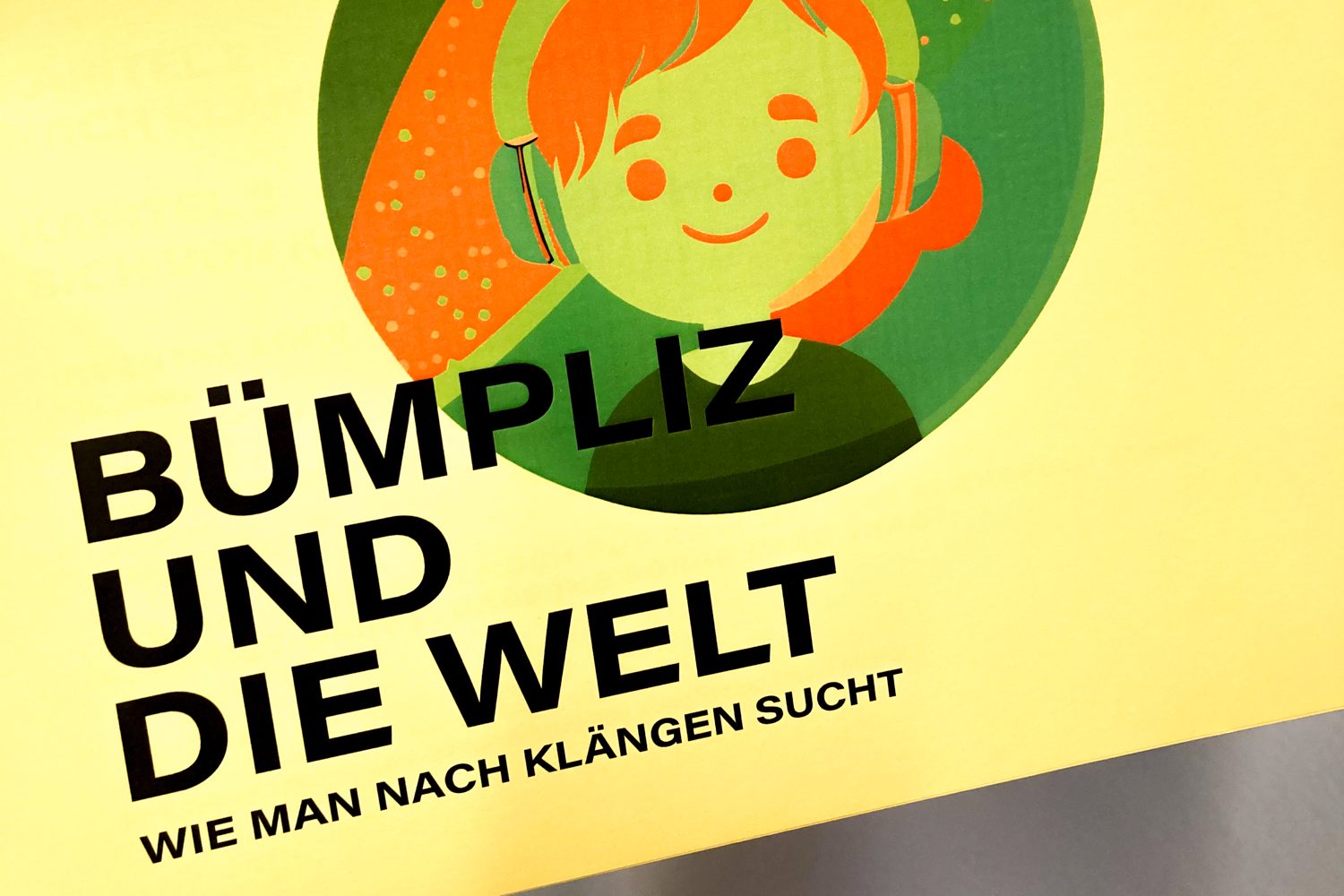
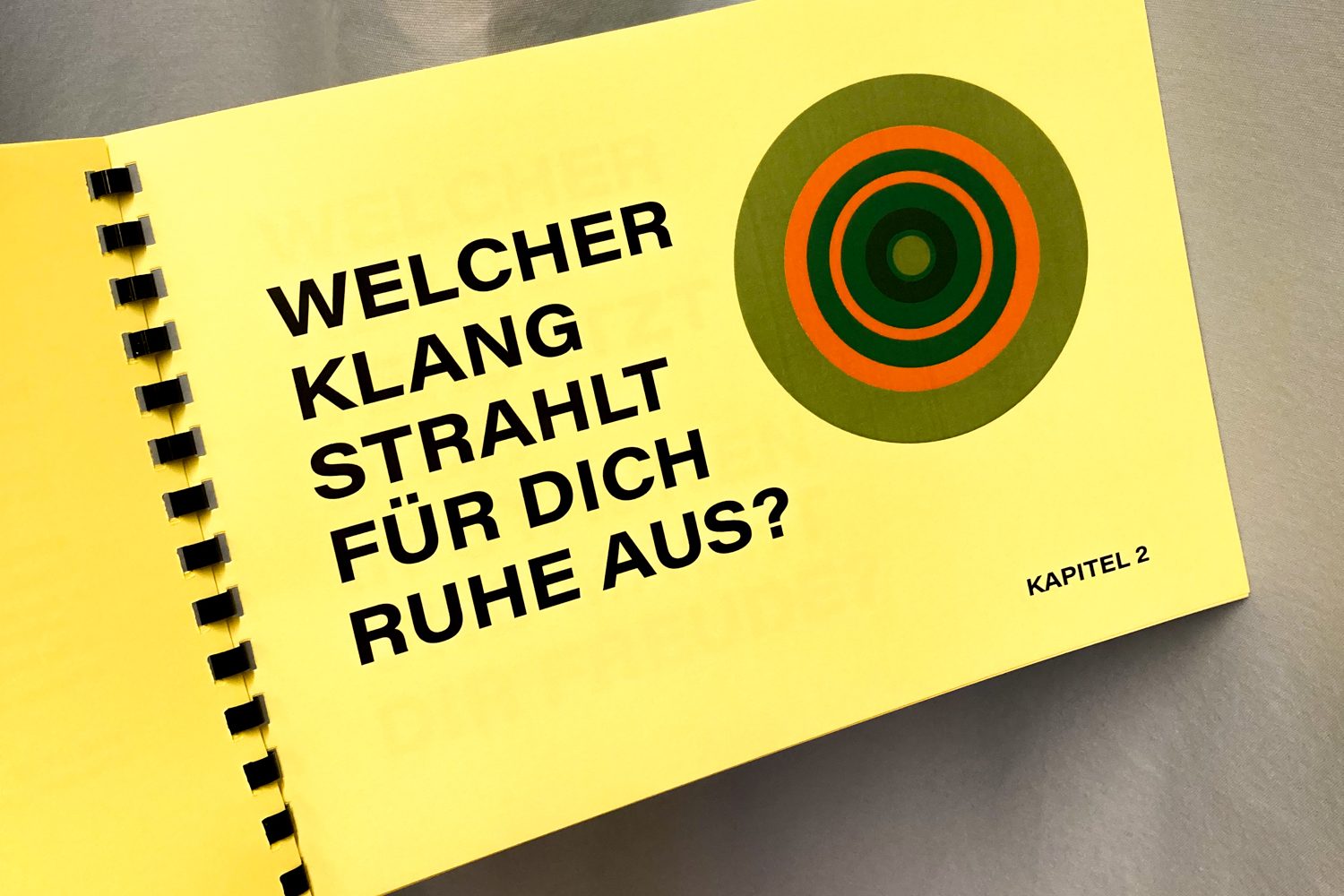
Just before Christmas, each class received a ‘sound explorer’ basket, inviting them all to a weekly minute of listening and self-guided exploration. Equipped with blindfolds, a recorder and a booklet, let’s see what kind of sounds we can find later on the memory cards.
Thanks so much to Zuhören Schweiz for collaborating and uploading my minutes into the newly created category ‘nature’ at hoerminuten.ch
Process Notes – Part II
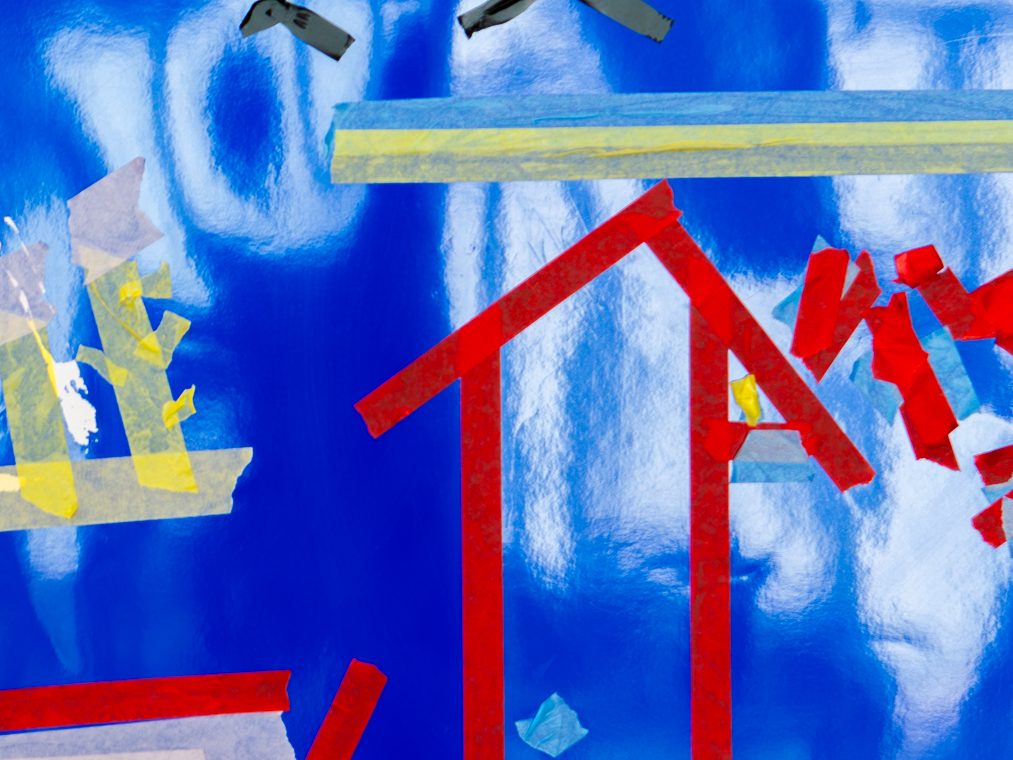
For the Sound of the Year Awards (children’s category) we created a series of ten sonic adventures. Each story was first visually mapped by the children, using tape to create an instant graphic score, a map for a 60-second sonic narrative.

To create the sound we used a mix of found materials: balloons, paper, wood, deer antlers and aluminium sculptures to play the pre-recorded material to add a further layer of interaction and sensation.
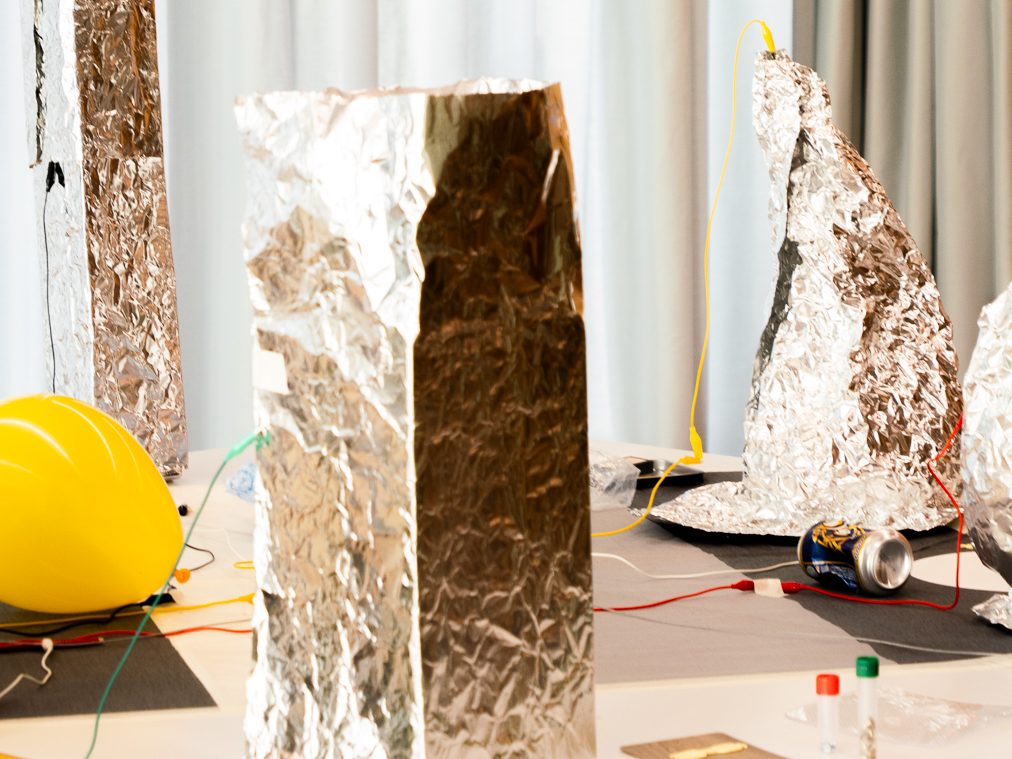
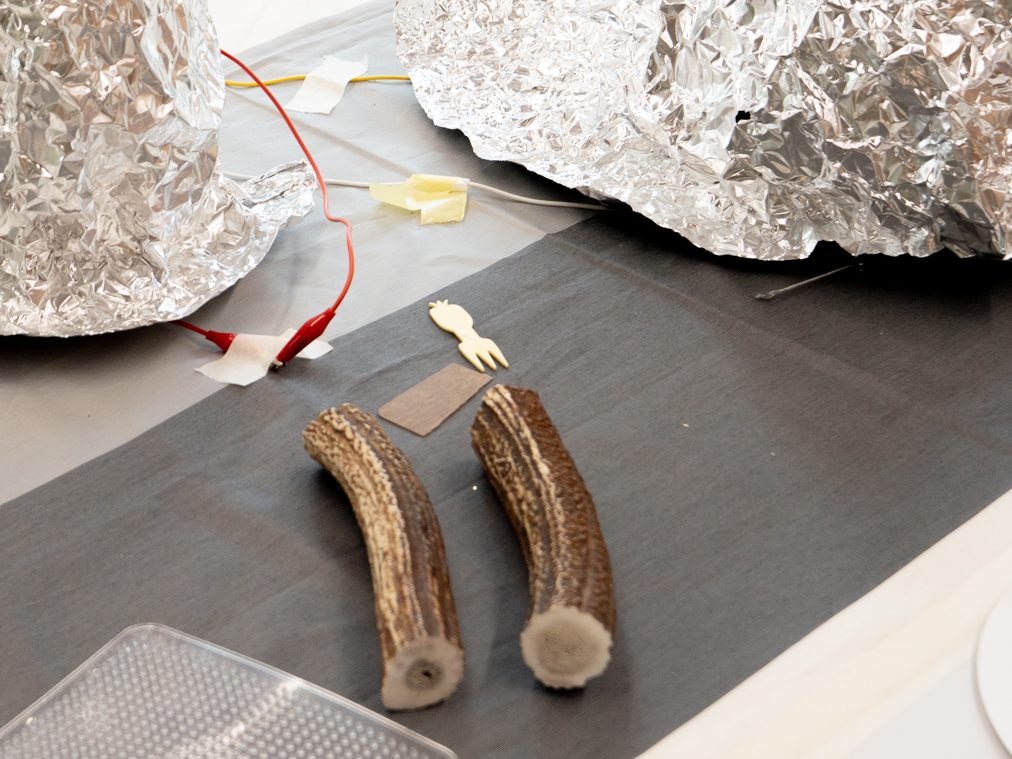
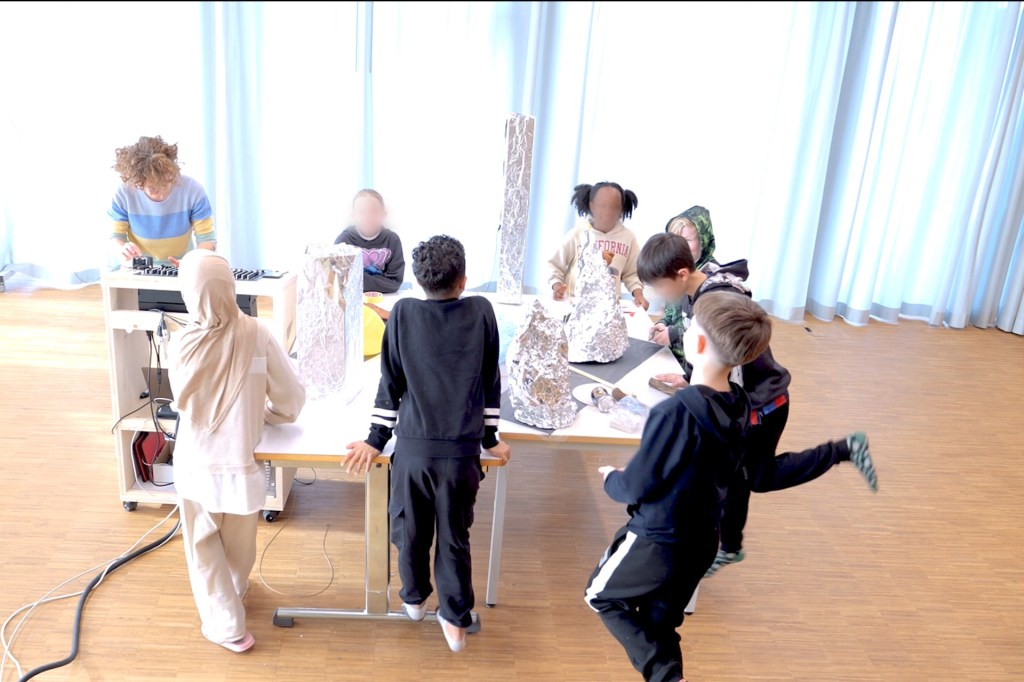
Some groups began to organise themselves by choosing a conductor, others chose very specific sounds for each story. Here are some of the stories, the children invented:
“We began in a plane, landed on a beach, and discovered a sofa… and a crocodile. It was dangerous – so we dove into the water, only to wash up on an island with a volcano.”
Each story became a small adventure, shaped by intuitive play and sensory exploration. The narratives didn’t need to follow logic – they were free to be strange, loose, abstract.
“Along the way, we’ve been to a stadium, a mountain with a trap, a desert with a camel, a house, and a cat hotel in Japan.”

Process Notes – Part III
An acoustic shelter, a place to hide, walking, playing, listening and choosing. What is a signal sound? What does the bell at our school sound like? What would we like to hear instead? Working in small groups, we listened to 40 different samples, a mix of the children’s own creations and bird calls from the local area. Using umbrellas as collective listening devices, we moved as a porous, shifting body, on the heated asphalt in front of the school area.
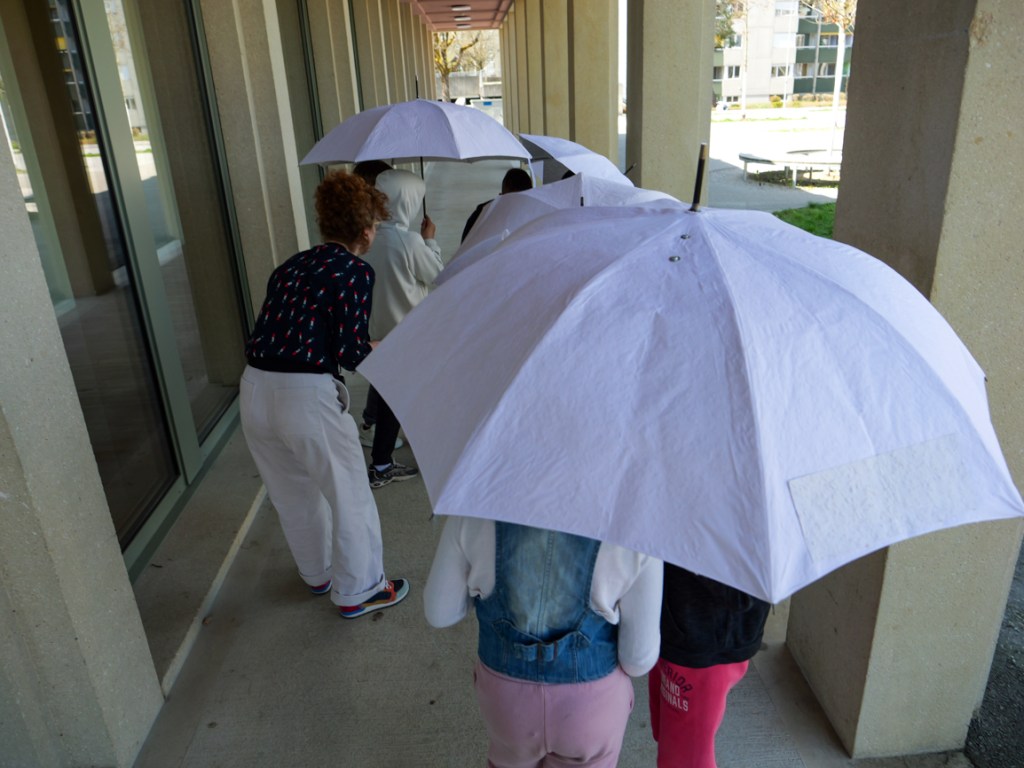
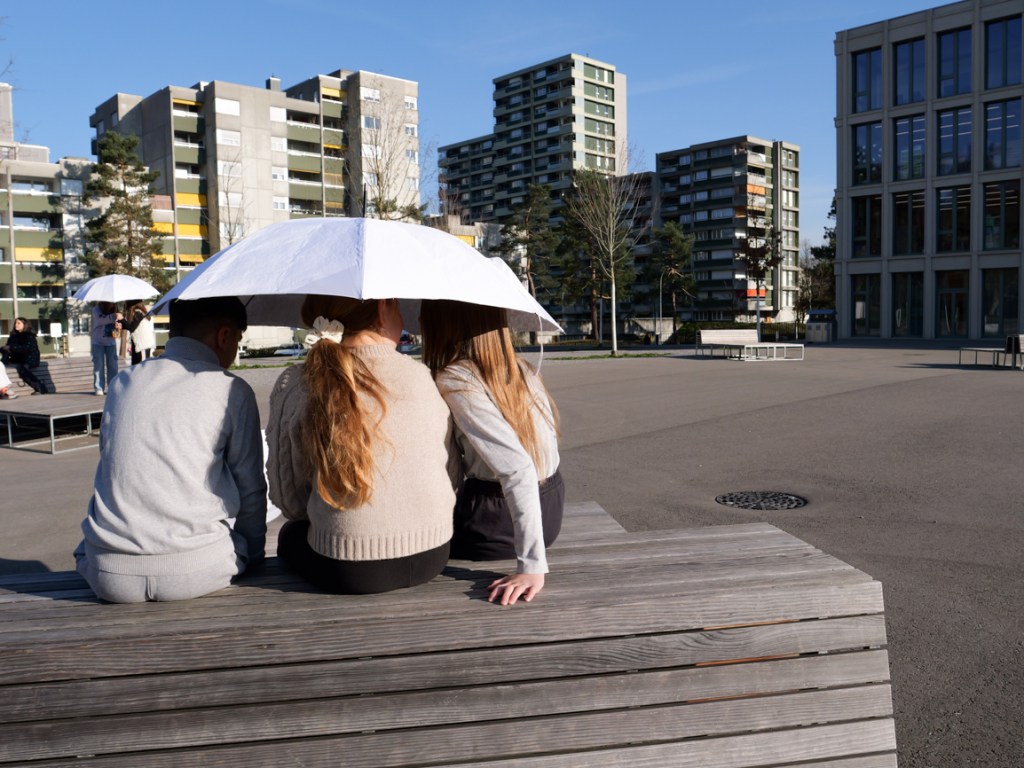
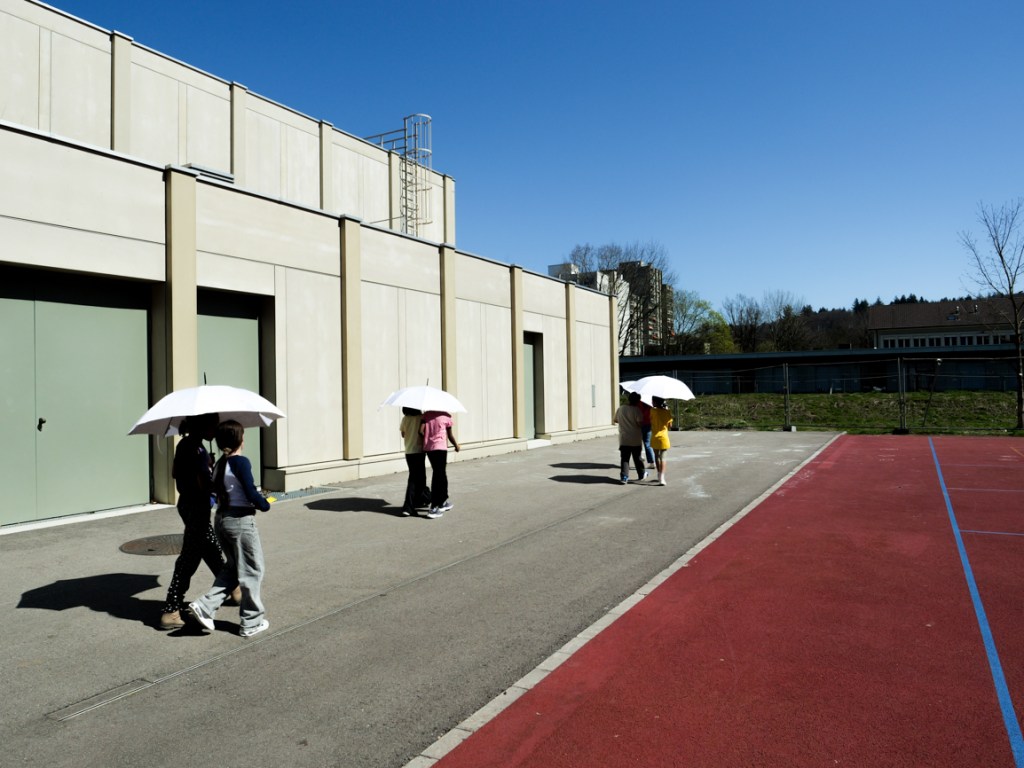
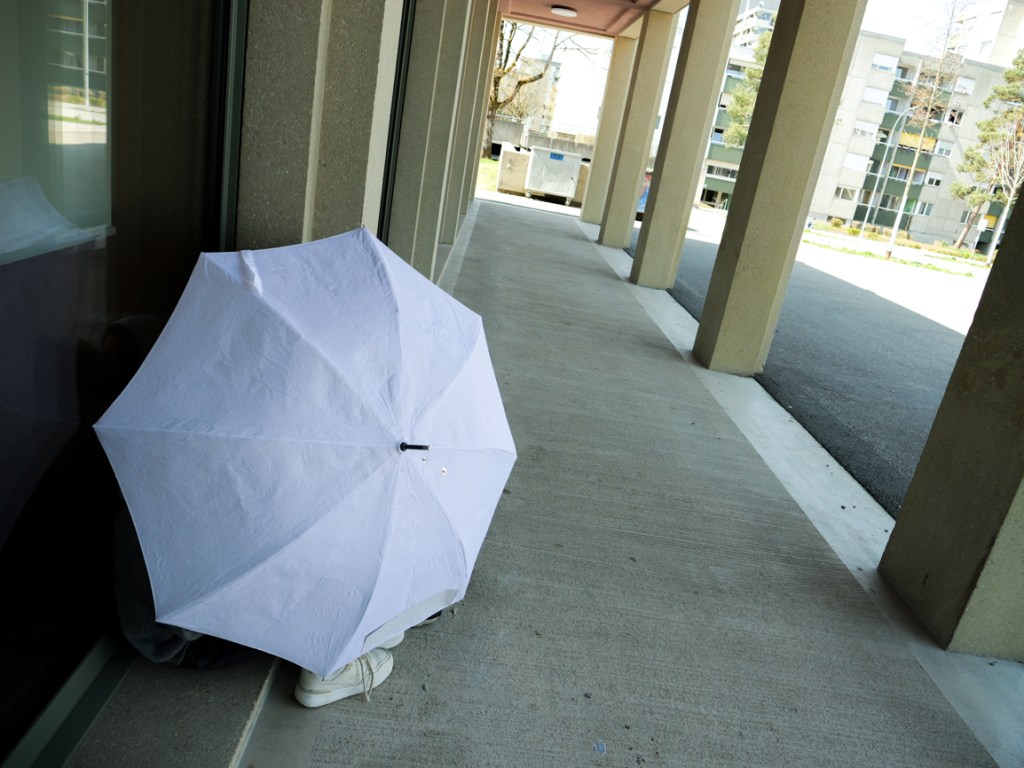
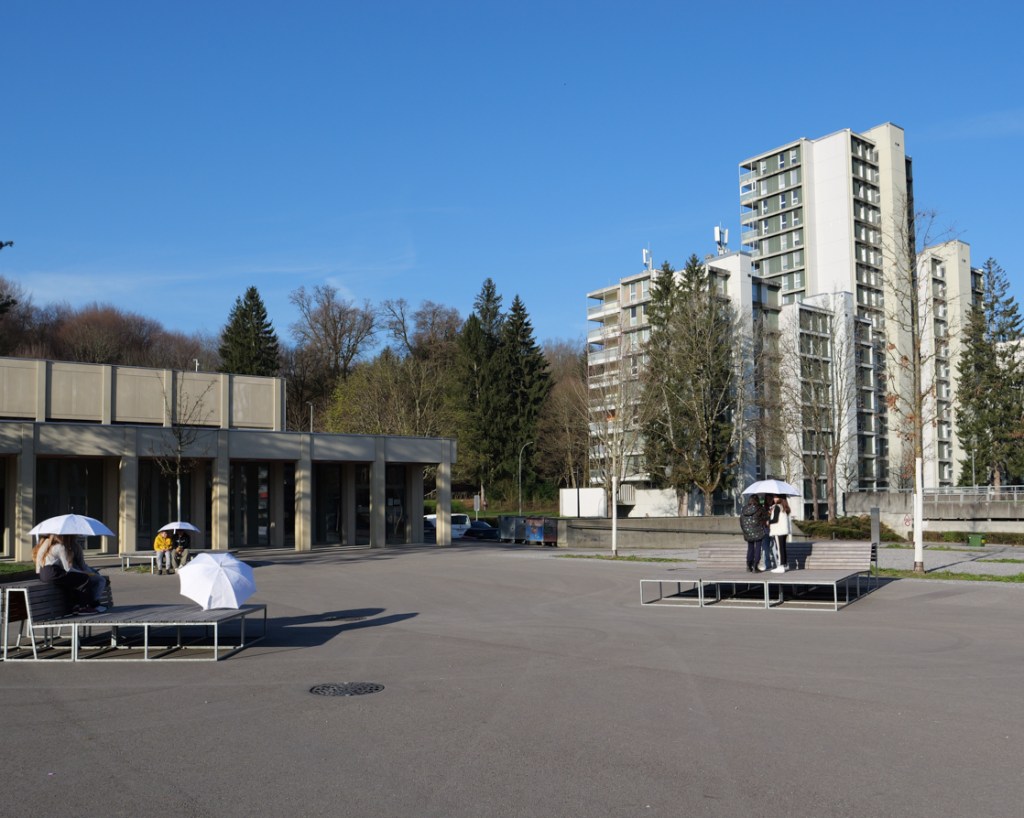
With the second group, we held the listening/choosing indoors and tried to select different times and moods. A different bell for every time of the day.
ABOUT RAHEL KRAFT
My practice circles around listening. Around multi-sensory listening, where the slightest movement is perceived as vibration — not only measurable, yet dimensions beyond the explained. These vibrations can take on many forms, be it performance, sound, music or visual media.
Meine Praxis kreist um Zuhören. Um das Hören mit mehreren Sinnen, bei dem kleinste Bewegungen als Vibration wahrgenommen werden – nicht nur messbare, sondern auch Dimensionen jenseits des Erklärbaren. Diese Vibrationen fange ich ein und übersetze sie in verschiedenste Formen, sei es Performance, Sound, Musik oder visuelle Medien.
 KleefeldKlangfeld